
OUR STORY
‘Creating art for life’ is not just a slogan, it reflects founder Julie Langdon’s belief that art can enrich and transform our lives. Art and expressing our creativity can bring pleasure, happiness, fulfilment, build self-esteem, mindfulness and literally colour our day.
Julie says ‘I have always yearned to create. I think it is part of our basic human nature…’
RESOURCES
Our resources provide education, inspiration and information. From tutorials to simple demonstrations (education), recipes, written instructions and projects (information) to an eclectic array of photos, reflections and people we admire (inspiration); these resources are here to help you on your fluid art journey.
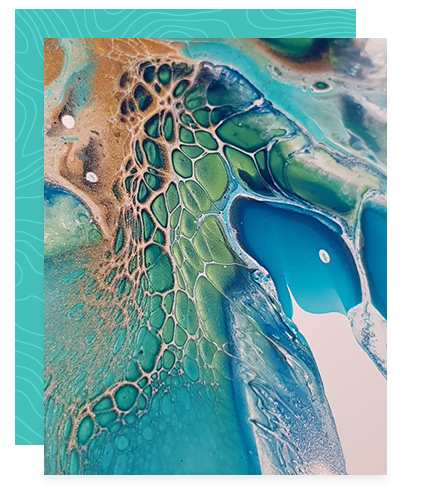
Education
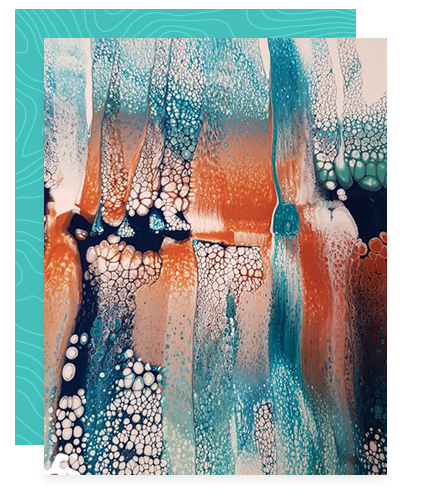
Information
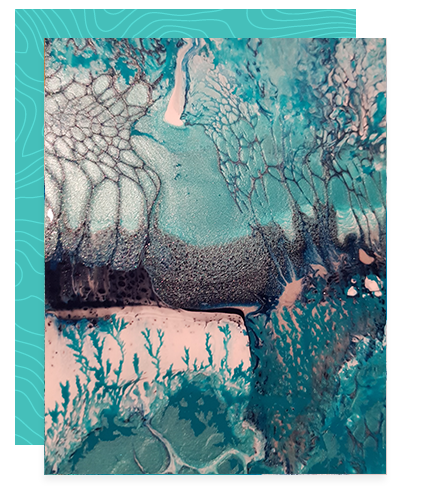
Inspiration
Our Blog
Stay in the flow – Subscribe for news, videos, product releases and exclusive deals
We fully respect your privacy. You can unsubscribe at any time.
What is in a name?
So I am launching my business and website – but why live4art?
Whilst only some of us are passionate enough to say ‘I live for art’, I believe that ‘art is for life’ – it enriches life, it inspires, it reminds us of the beauty and colour around , it brings life and the world into our home.
Art is for everyone, whether you are a professional artist, a hobbyist, an appreciator or just like the feel it gives your home; art should be accessible and personal. There is no one style or approach that fits all, I encourage everyone to find what suits them and that may change of time or with different moods or seasons.
So it is probably my tag line ‘creating life for art’ that best sums up my vision – a vision to create a space and products to help artists learn, be inspired and bring art into their own life and the life of others.
Let’s celebrate and be thankful for those who are passionate about art, whose art enriches them and us, so that we do have Art for Life.
‘Same, Same but different’
If you have travelled in South East Asia, particularly Thailand, you will have heard someone say ‘same same … but different’. It is such a widely used and amusing phrase, you can even get it on a T-shirt. What people are conveying is that it is the same as what you want, or similar enough, but it is not actually that, so also different. In this case they are trying to impress the sameness. But what if you want to be different or stand out from the crowd? What does this mean in art?
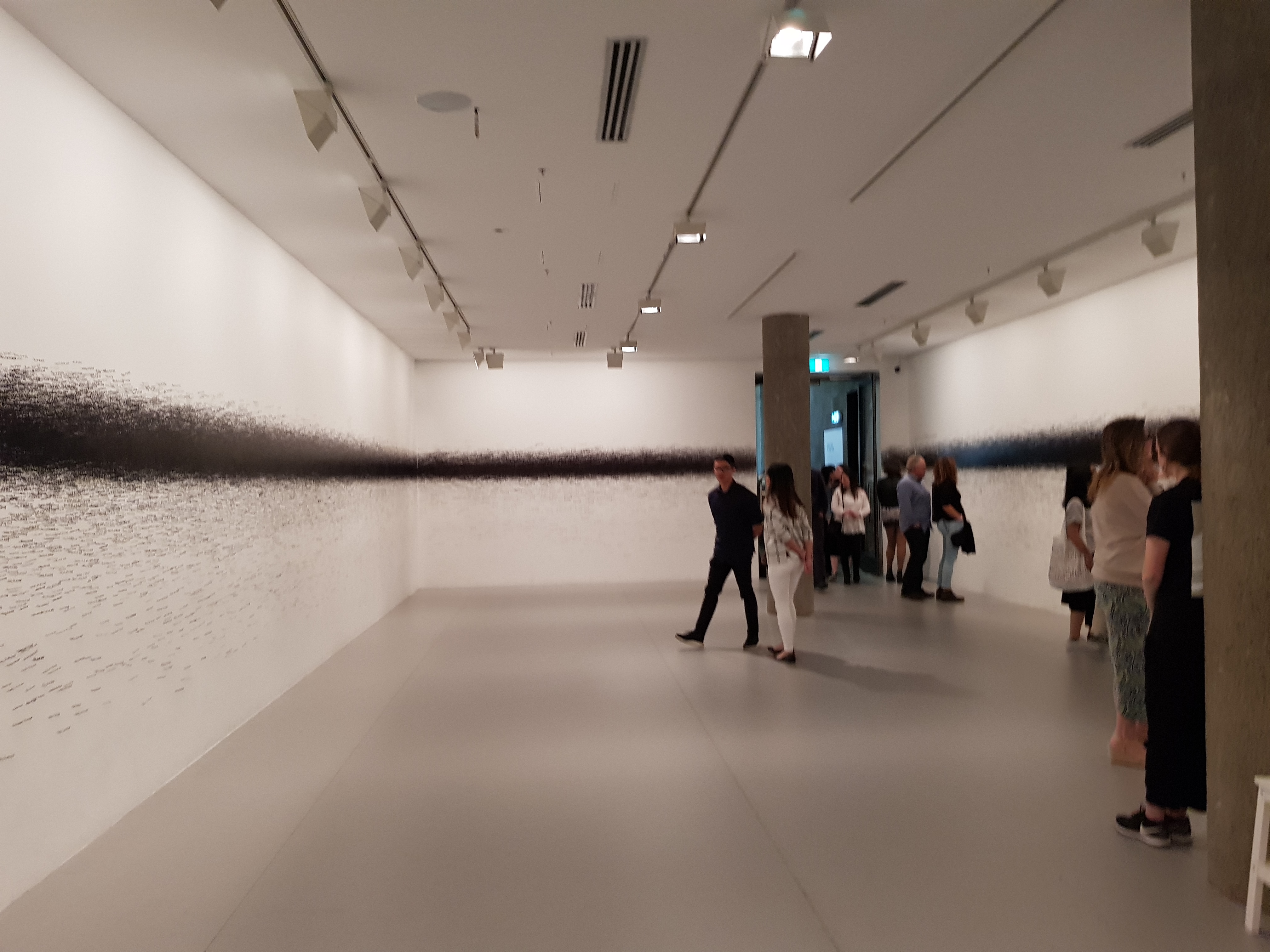
At the MOMO exhibition at the National Gallery of Victoria there was a fascinating room where you could write your name and the date at the mark of your height. The first people must have been somewhat pleased to leave their mark. By the time I visited on the final weekend, most of the area of names was just black, you could only read the individual details if you were exceptionally tall or short (in this case presumably children); for 98% you could not read the individual names, but when you stood back, together they made a stunning and beautiful impact.
My first response was ‘there is no point getting measured and leaving my name, you would not be able to see it’. I was thinking that it was all about me and seeing it in a very narrow way. I was not thinking about how my contribution might impact the whole and together make something beautiful. As artists, and in life, we are often ego centric, wanting to be noticed, comparing our work to others, worrying about what others may think.
It may only be the exceptional artists and innovators that are remembered or go down in history books; but we all standout and impact in our own sphere and perhaps it is our collective actions that will have the greatest lasting legacy. Be kind to yourself and others, bring colour and warmth into the world. Art is such a metaphor for life. What will your legacy be?
What will our time be known for?
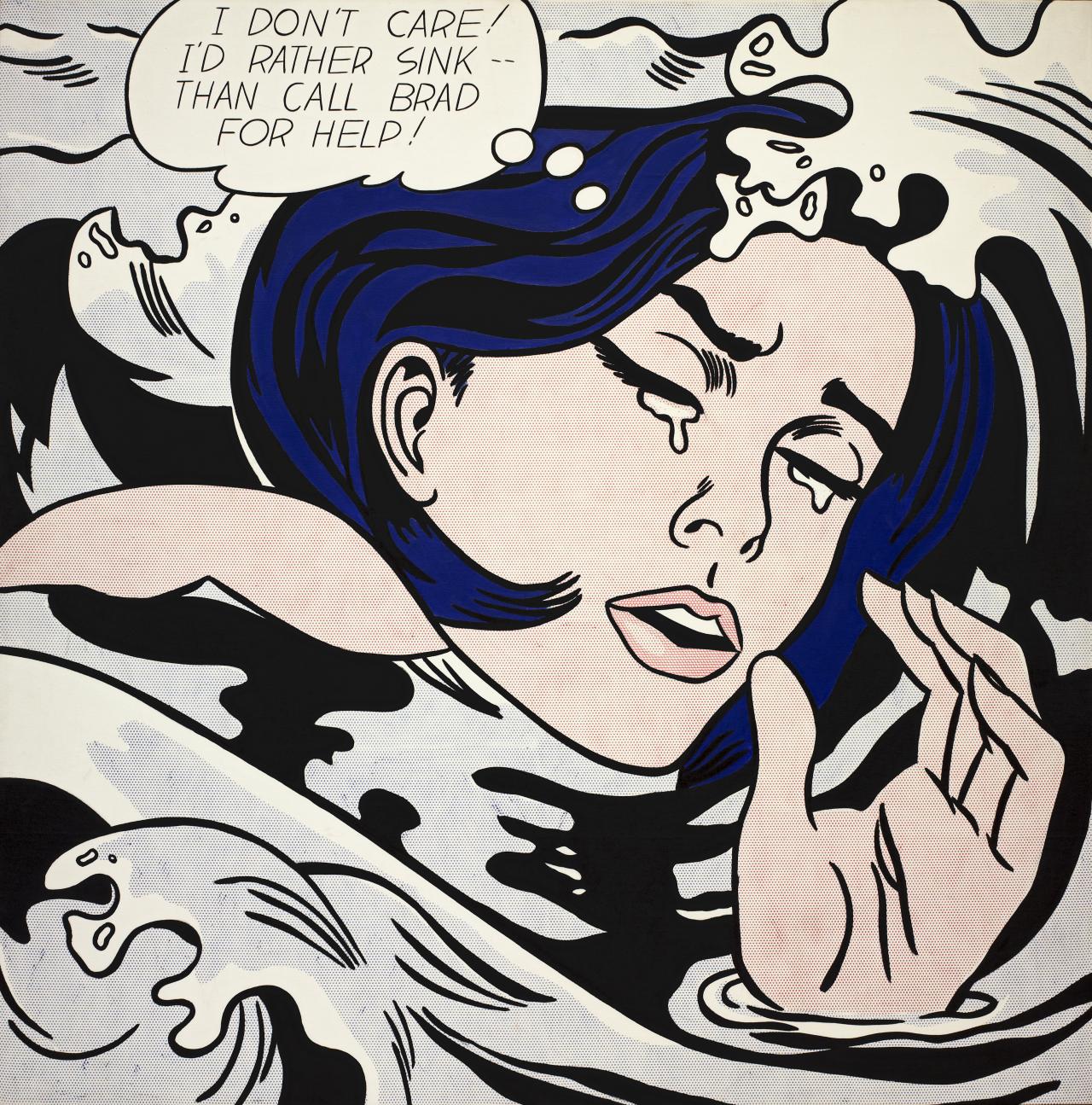
At a recent visit to the MOMO exhibition at the National Gallery of Victoria ‘130 Years of Modern and Contemporary Art’ I reflected on how much art styles change over time.
This exhibition, in partnership with The Museum of Modern Art, New York, consisted of over 200 key works, arranged chronologically into thematic sections, tracing the development of art and design from late-nineteenth-century urban and industrial transformation, through to the digital and global present.
I recognised the early works of the period that I knew from art history – Vincent van Gogh, Paul Gauguin and Paul Cézanne through to pioneering cubist artist Pablo Picasso. But eventually I could relate to the art as they formed part of my own history – the silhouette pictures of early childhood birthday cards, the psychedelic designs I covered my high school books in, pop art posters, the shock of abstract art and ‘blue poles’ and the bright smooth architectural shapes seen in the bright orange chairs in the apartment I lived in at Uni. There were even hanging mobiles, space invader shapes and the original 176 emoji’s developed in 1999.
Whilst I have a clear preference for some styles over others, it was interesting to reflect on how styles change and also how they reflect social, economic and political changes and the development of technology.
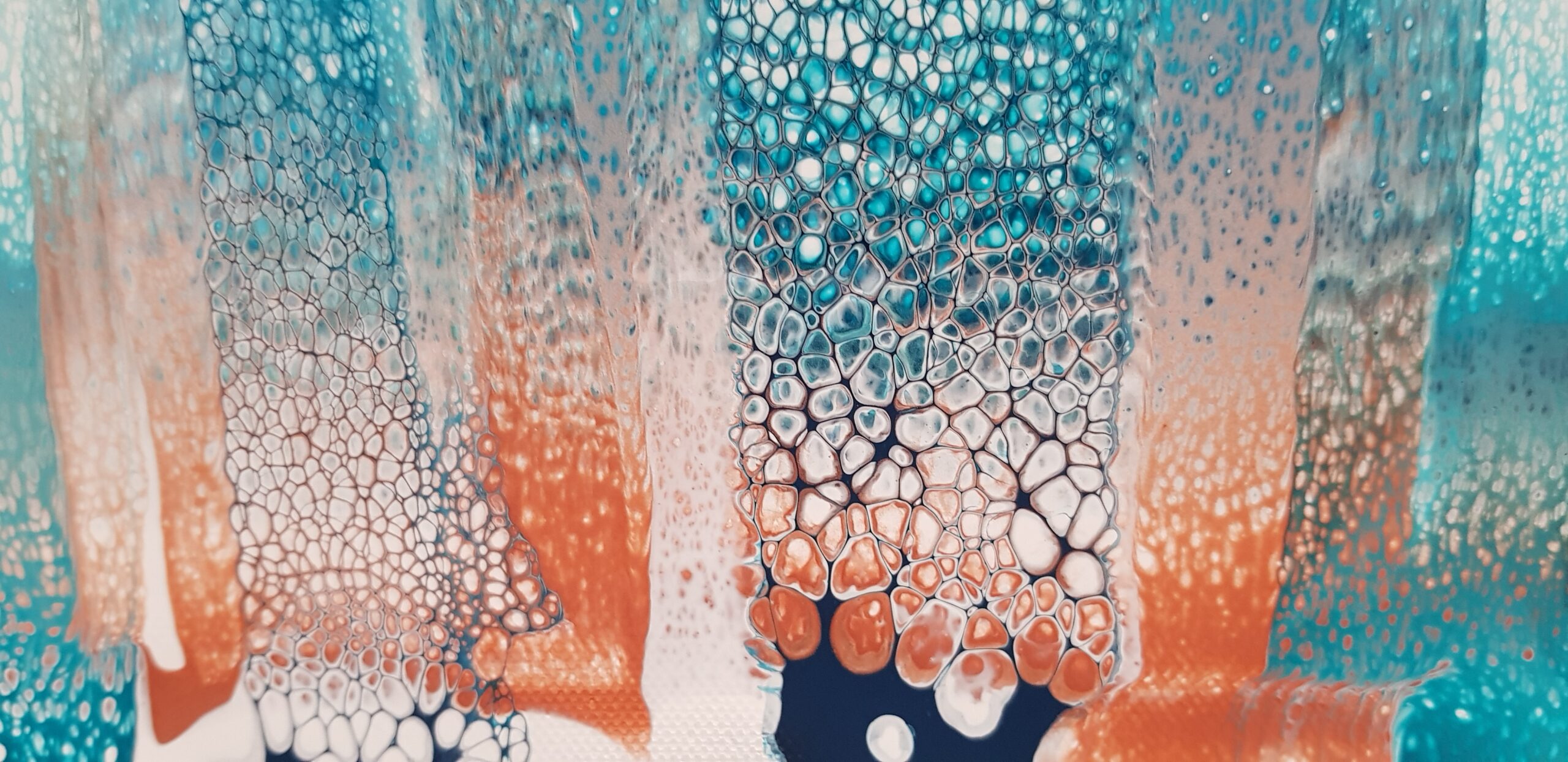
It had me thinking about how the current decade will be remembered. Will the current period be known for ‘abstract cellism’, or perhaps be called the ‘fluid period’? I am not a history expert, but I doubt there has been such a ‘people’s movement’, professional artists and hobbyist enthralled with fluid art and chasing those beautiful ‘cells’. It has captured our imagination, and unlike other forms of art, feels accessible to so many (despite its unyielding and subtle complexities). Even those who don’t paint are often engaged with U-tube videos of the process. There is something that feels magical in it.
So express your creativity and go with the flow!